

1. Information about Cervical Cancer and The HPV Sample-Self Collection Kit
Cervical cancer is a disease associated with abnormal cell proliferation in the epithelial tissue of the cervix (the organ connecting the uterus and the vagina), leading to the formation of tumors in the uterus. Abnormal cervical cells exhibit distinctive features, including multinucleation, increased pigmentation, and a lack of maturation into cells with proper nuclear-to-cytoplasmic ratio. The nuclei of abnormal cells are three times larger than those of normal cells. Changes in nuclear shape and cytoplasmic content form the basis for cytological methods in early screening.
Based on cell type, cervical cancer is divided into two main types: squamous cell carcinoma (SCC) and adenocarcinoma (AC). SCC occurs in the epithelial cells at the outer location of the cervix and is more common, while AC occurs in the endocrine glands of the cervix.
The main cause of cervical cancer is the Human papillomavirus (HPV) is a virus that causes papillomas (warts) in humans and animals. HPV (Human papillomavirus) spread through the genital tract through unsafe ways. According to the World Health Organization (WHO), cervical cancer is the fourth most common disease in women worldwide. According to Globocan statistics, 185 out of 204 countries in the world report on the situation of cervical cancer. Of which, Vietnam ranks 91/185 in terms of new incidence rate and 50/185 in terms of mortality rate in the world.
The TopPURE® HPV Sample-Self Collection Kit is a product designed for the collection, preservation, and transportation of gynecological smear samples for use in qualitative PCR or qPCR testing. Human papillomavirus (HPV). The kit components include:
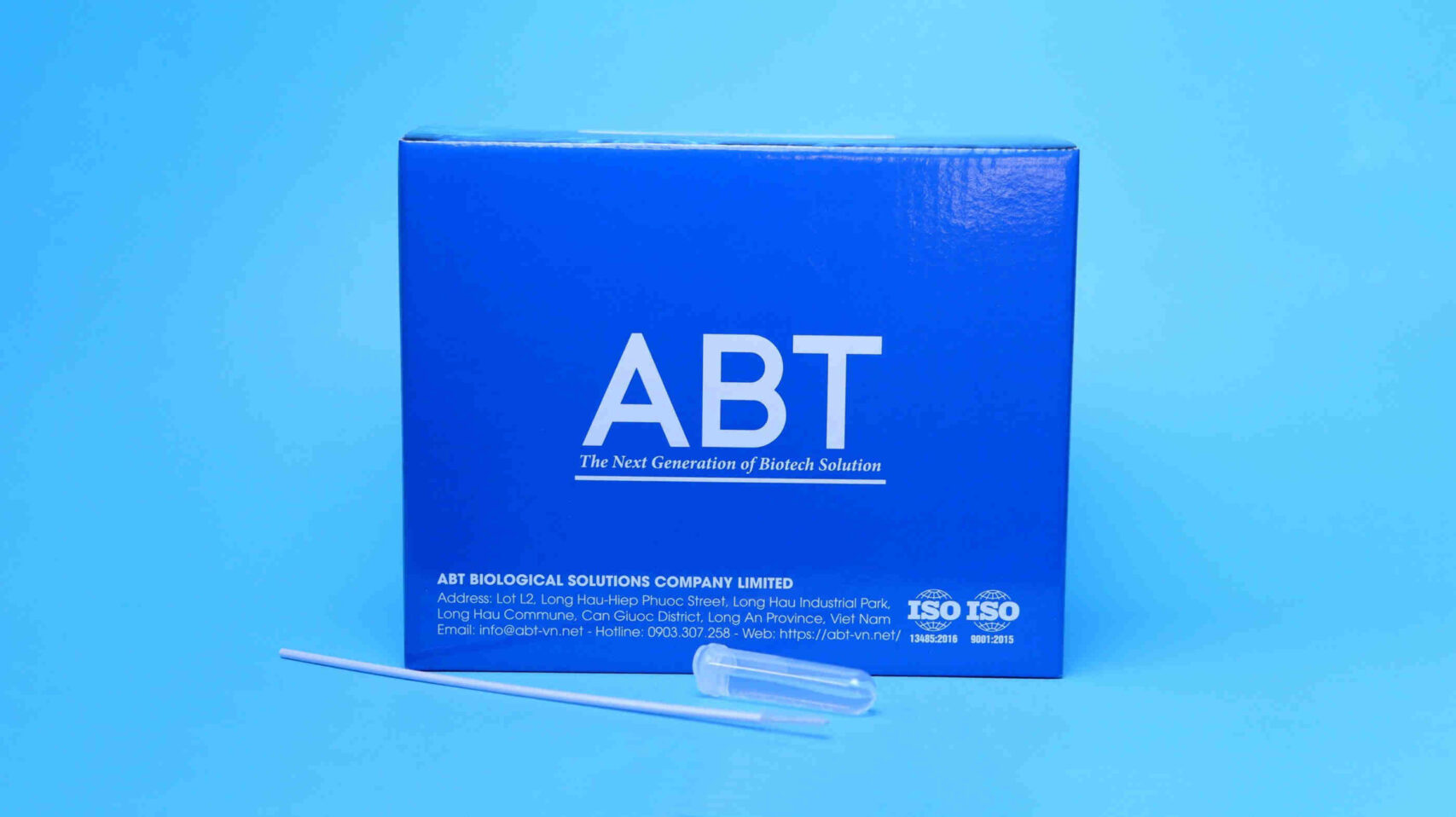
- Sample collection swab: includes 2 parts: Sample collection head: Nylon bristles + stainless steel + epoxy-protected beads and handle: White PP plastic with a score for break Swab size: 16.8 cm, pre-sterilized
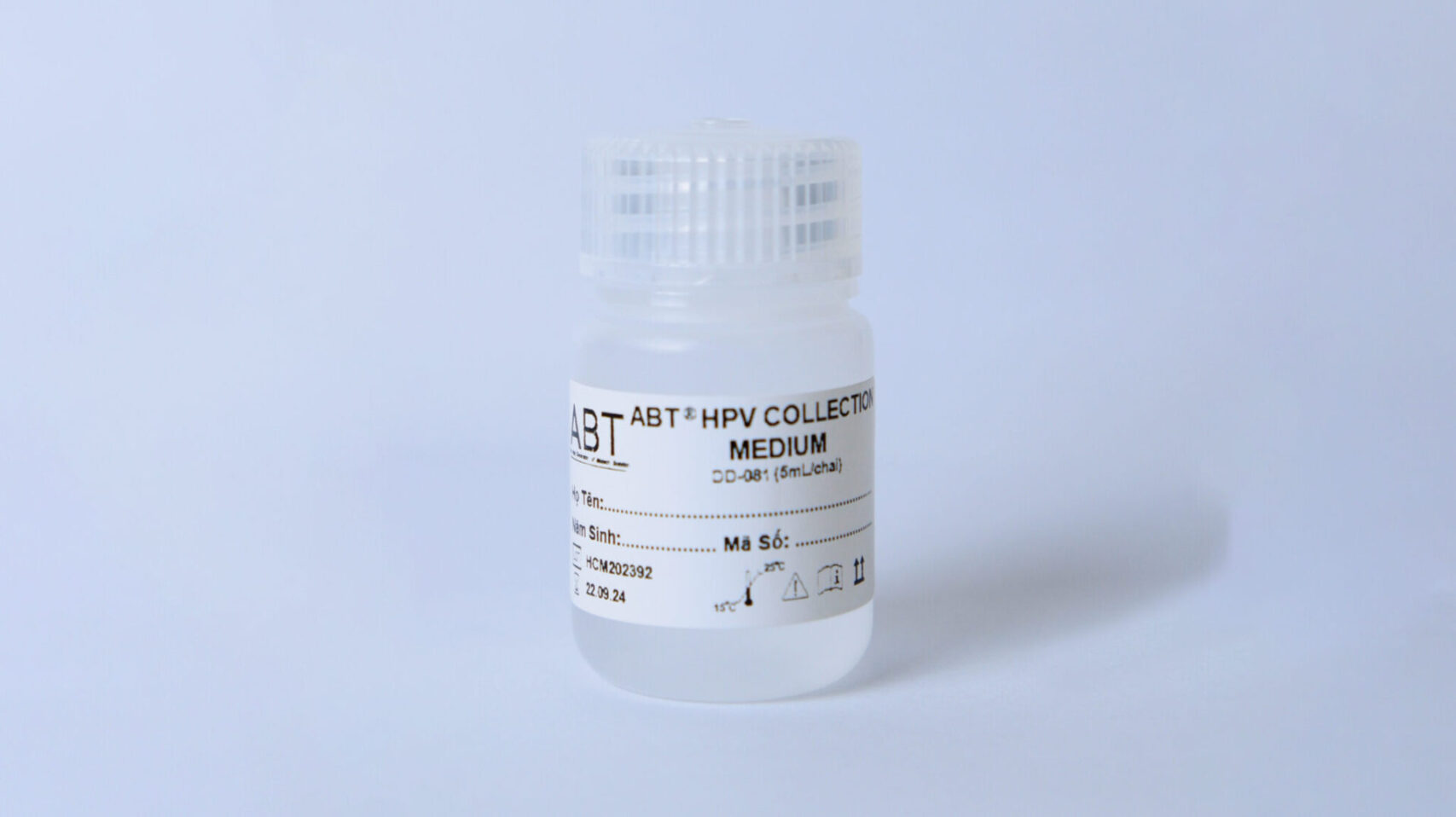
- Sample transport medium: 3.0 ml of medium contained in a 10 ml tube. Solution is orange-red in color
- Zip-lock bag: for storing the sample-containing vial
2. Manual intructions
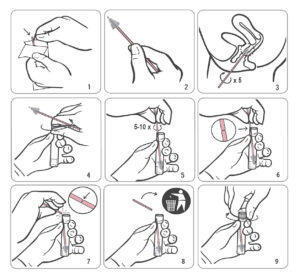
- Open the package as shown in figure 1. Remove the swab. Avoid touching the swab head or allowing the swab to contact any surface. If the swab head is touched, dropped, or if the swab is compromised, use a new sampling kit.
- After vaginal dilation, insert the swab head into the vagina until the brush head and cervix come into contact. Hold the swab handle with the thumb and forefinger. Maintain gentle pressure, after rotating 5 turns in one direction (as shown in figure 3), remove the swab without touching other areas of the skin.
- Open the tube lid as instructed in figure 4. Be careful not to spill the solution in the tube. Place the swab into the tube and gently rotate 5–10 turns in one direction as shown in figure 5.
- Place the break-point of the swab into the mouth of the tube and proceed to break the swab at this point as directed in figures 6 and 7. Discard the upper part of the swab as shown in figure 8.
- Securely twist the lid onto the tube as directed in figure 9. Follow the healthcare provider's instructions on how to return the tube.
- Store the collected samples at room temperature. Specimens must be transported to the laboratory as soon as possible, ensuring the duration does not exceed 7 days post-collection. If the transport interval exceeds 7 days, samples must be stored at -20°C or -80°C.
3. Note
- Caution should be exercised in avoiding usage for women during menstruation, pregnancy, and lactation.
- It is not recommended for women with genital tract injuries or those who have recently undergone cervical surgery. Cervical inflammation should ideally be treated prior to sample collection, and sampling should occur post-recovery.
- Abstaining from sexual intercourse within 24 hours preceding sample collection is advisable.
- Vaginal douching or intravaginal medication should not be performed within 3 days prior to sample collection.
- The product should not be utilized if the packaging is damaged or if the product has exceeded its expiration date.
- In case of persistent bleeding or pain during the sampling procedure, immediate cessation is advised, and medical attention should be sought promptly.
- Disposal of waste material must adhere to legal regulations and environmental protection guidelines at the national level.
Read more: HPV Genotype with RDB technique
For Real-time Kit: TopSENSI ® HPV qPCR KIT (SQH-103)




Reviews
There are no reviews yet.