
Introduction
It is estimated that every woman will get at least one type of HPV in her lifetime. However, not all types of HPV cause disease and not all types of HPV can lead to cervical cancer. HPV virus screening test and cervical cancer screening help reduce the incidence rate by up to 70%. Using the Reverse Dot Blot (RDB) method, ABT provides an effective HPV type screening solution that effectively supports identification and treatment, can simultaneously detect up to 35 types of HPV are endemic and common in Asia.
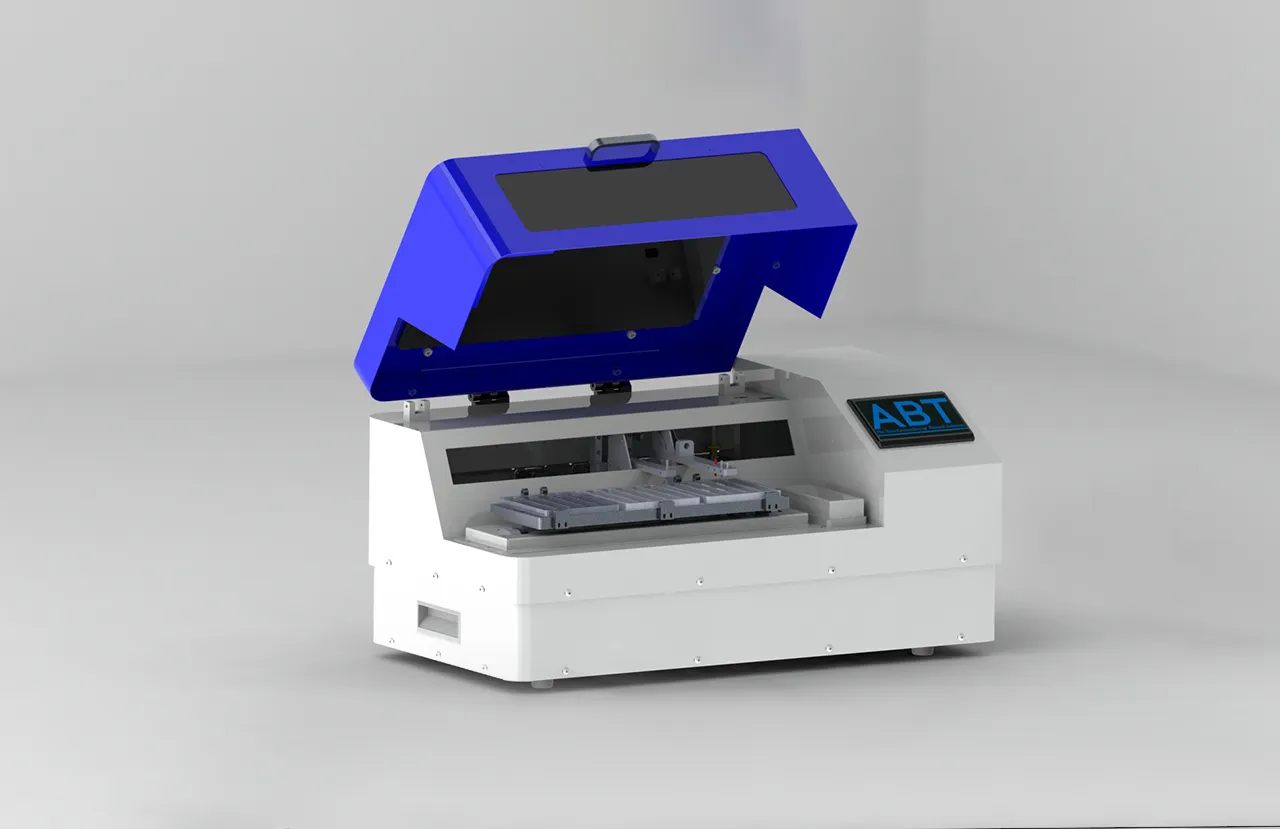
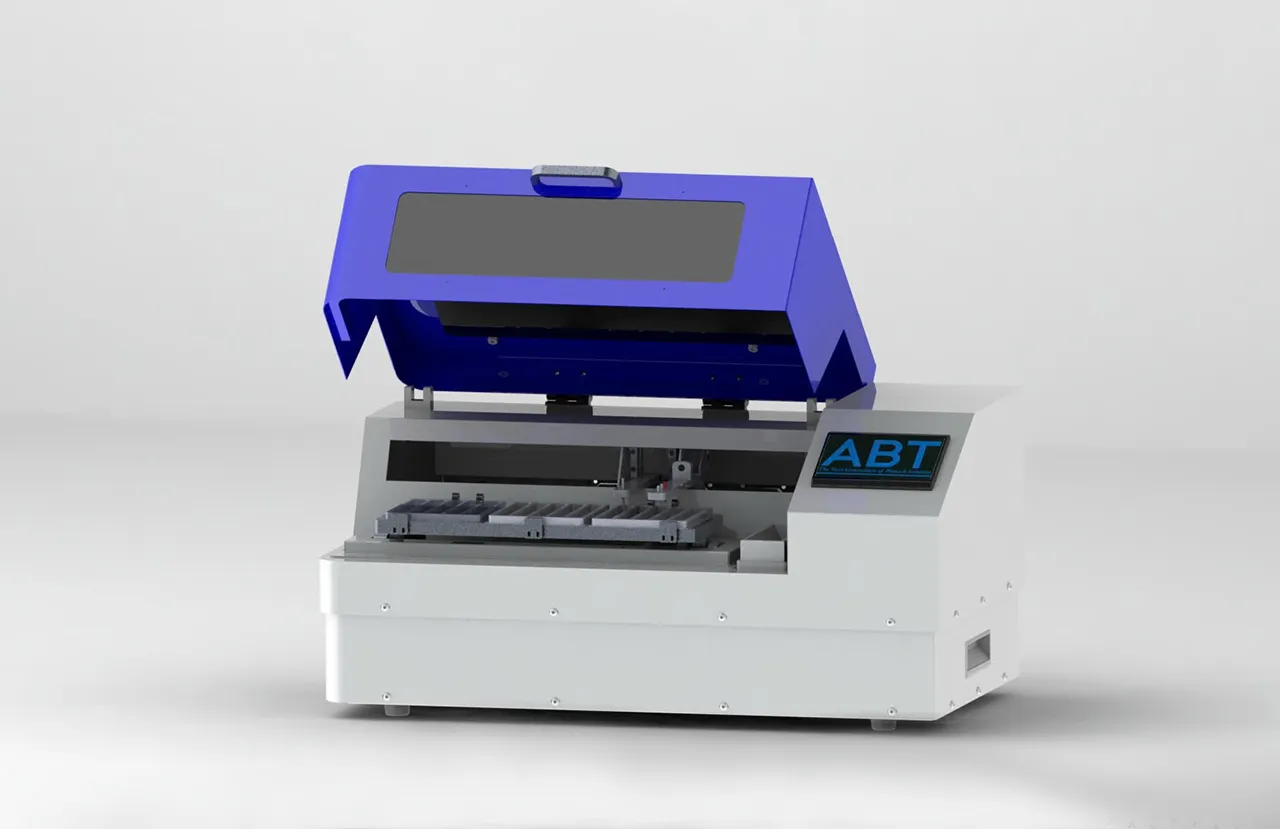
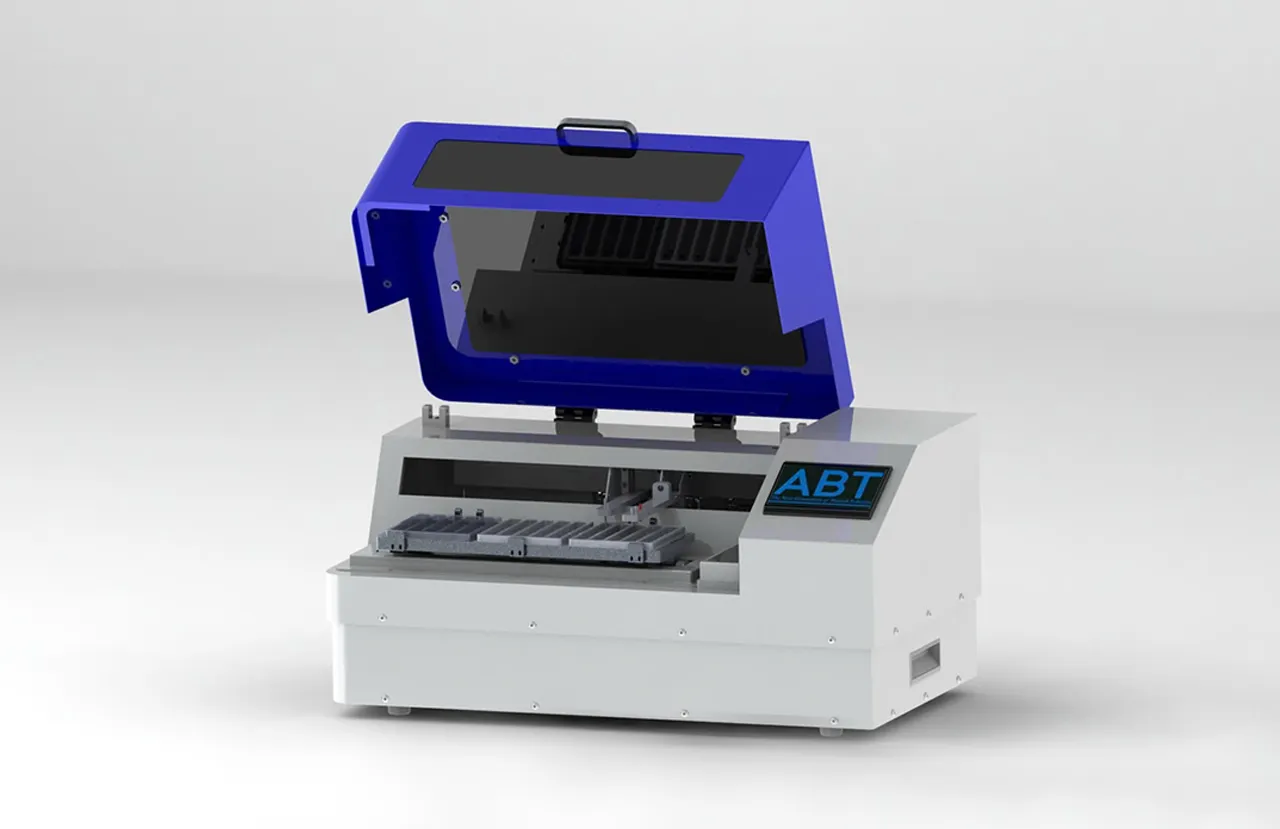
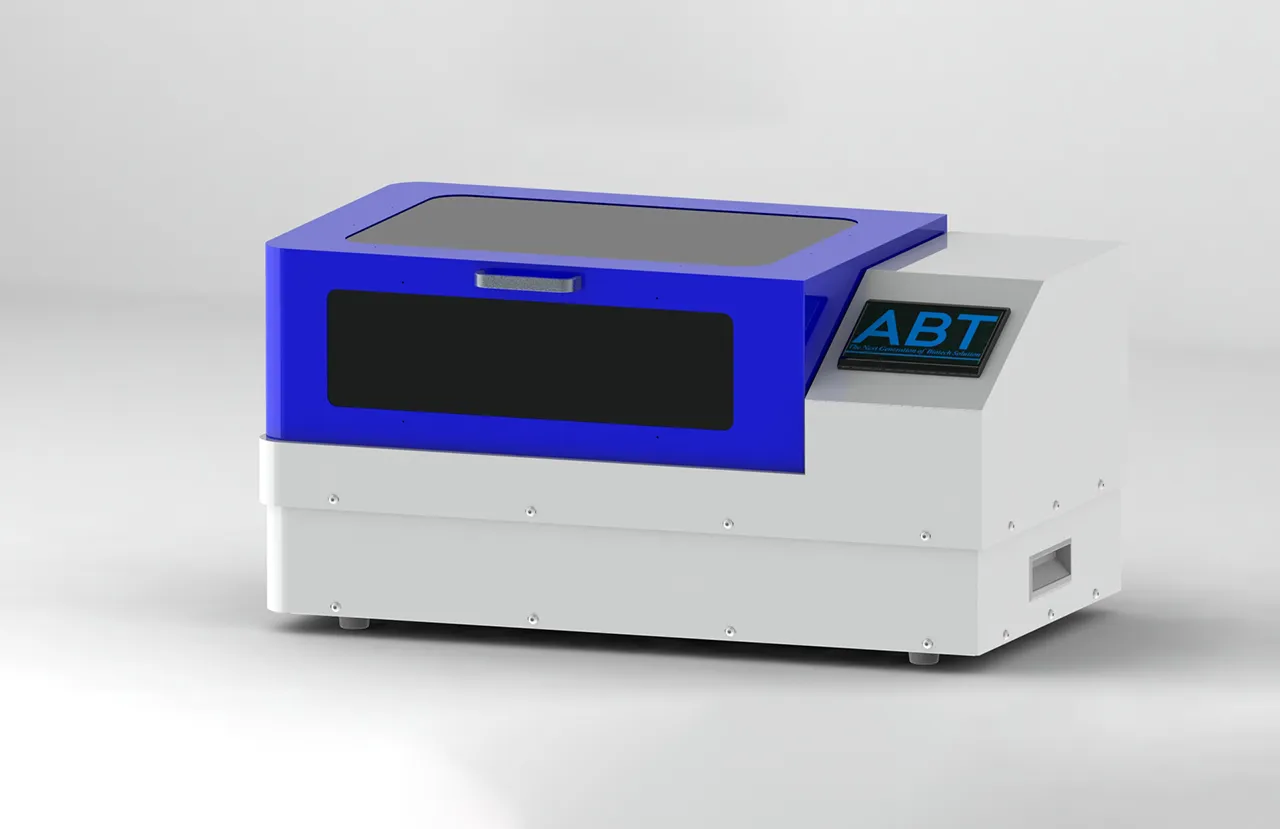
The automated RDB machine is a device used in the Reverse Dot Blot (RDB) process to identify the DNA types of human papillomavirus (HPV) causing genital warts in humans. Human papillomavirusWith the support of the automated RDB hybridization system, the Reverse Dot Blot (RDB) process becomes fully automated, helping to reduce manual handling, save time, and optimize labor efficiency. Moreover, the system’s fully enclosed operation minimizes the risk of contamination and cross-contamination between samples. Test results from this automated RDB system are for clinical reference only; treatment decisions should be made based on further in-depth evaluation. The system is used in combination with the ABT HPV genotyping kit to detect and identify 35 HPV genotypes from a single sample. The automated RDB hybridization system supports a throughput of up to 15 samples per run.
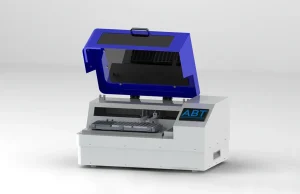
Highlight
– Compact design with multiple functions: heating, shaking module, reagent pumping, touchscreen display, and a modern user interface
– Fully automated
– Maximum capacity: 15 samples
– Prevents cross-contamination
– Automatically pumps and drains reagents, reducing manual handling time and streamlining the RDB hybridization process.
– User-programmable run settings for customized operation
– Allows configuration of sample positions and the number of samples per run
– Displays real-time program status and running parameters through an intuitive interface
– Equipped with an automatic cleaning function to flush the pipelines after each run
Principle of Operation
The automated hybridization system is used in the medical field, primarily for HPV testing to determine whether a sample is positive or negative. HPV analysis involves multiple steps, and this system automates key stages of the process, including hybridization, washing, binding, and color development.
To run the automated hybridization process, the membrane must first undergo Real-time PCR. Then place the membrane into the tray and load the tray onto the machine’s heating platform. Start the machine with the pre-installed program.The system will pump reagents into each tray, heat to a specific temperature, and activate shaking to evenly distribute the solution across the membrane.Between each step—hybridization, binding, and color development—a washing step takes place. The machine will drain the used solution and refill it with buffer (RDB6).Once the program is finished, the machine will notify the user with a sound alert.
Specification
| Code | RDB-A15 |
| Manufacture brand | ABT-VN |
| Packaging specification | Maximum of 15 samples/ run |
| Number of solution pumps | 3 pumps |
| Number of waste suction pumps | 1 pumps |
| Dimension (LxWxH) | 720x386x345 mm |
| Hybridization groove dimension (LxWxH) | 119x127x15,4 mm |
| Number of samples per membrane tray | Up to 5 samples |
| Shaking speed | 5 seconds / 1 shaking cycle |
| Heating base | Rapid and stable heating capability |
| Operating temperature | 30 – 120℃ |
| Operating interface | 4.3-inch touchscreen display |
| Electricity supply | AC 220V 50-60Hz |
| Machine capacity | ~250W |
| Weight | 45 Kg |
Transportation and Storage of the Automated RDB Hybridization System:
- Transportation and storage temperature: 20oC ~ 60oC
- Relative humidity: ≤80%
Refer to other devices:
Class II biological safety cabinet



Reviews
There are no reviews yet.